
Zorawar Fort: A Historic Gem in Ladakh You Can’t-Miss
When you think about Ladakh, the first images that usually come to mind are Pangong Lake, Nubra Valley, high mountain passes and winding Himalayan roads. But Ladakh is much more than spectacular landscapes. It is also a land of fascinating history, ancient kingdoms, military campaigns and cultural heritage.
One of the most interesting historical attractions in Leh is Zorawar Fort, a 19th-century fortification associated with General Zorawar Singh, the Dogra military commander who led campaigns in Ladakh during the 1830s.
Located in Leh, the fort offers travellers an opportunity to explore a lesser-known side of Ladakh while understanding an important chapter of Himalayan history.
If you are planning a Leh Ladakh tour package, adding Zorawar Fort to your sightseeing itinerary can be a worthwhile experience for history lovers, photographers and curious travellers.
What Is Zorawar Fort?
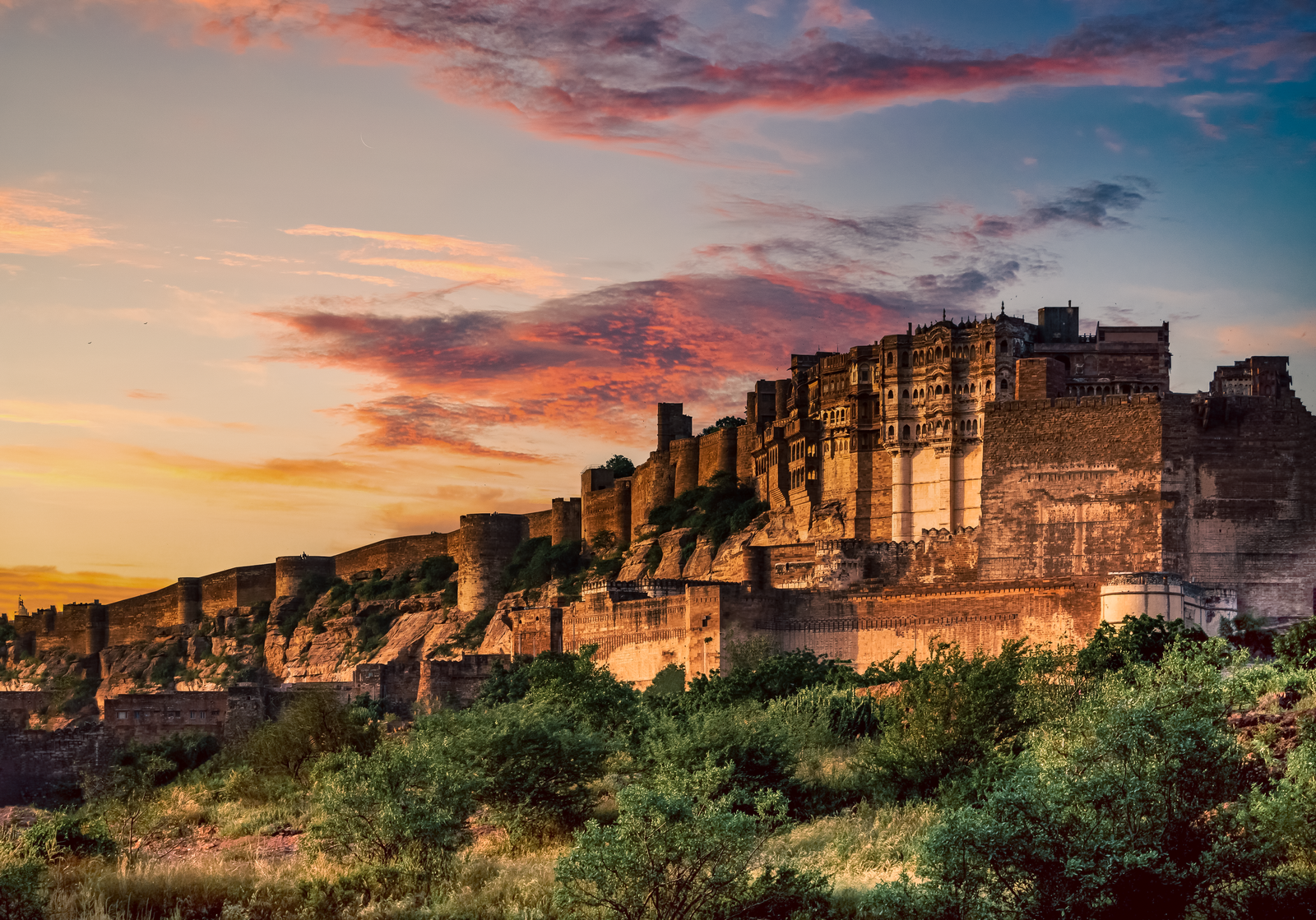
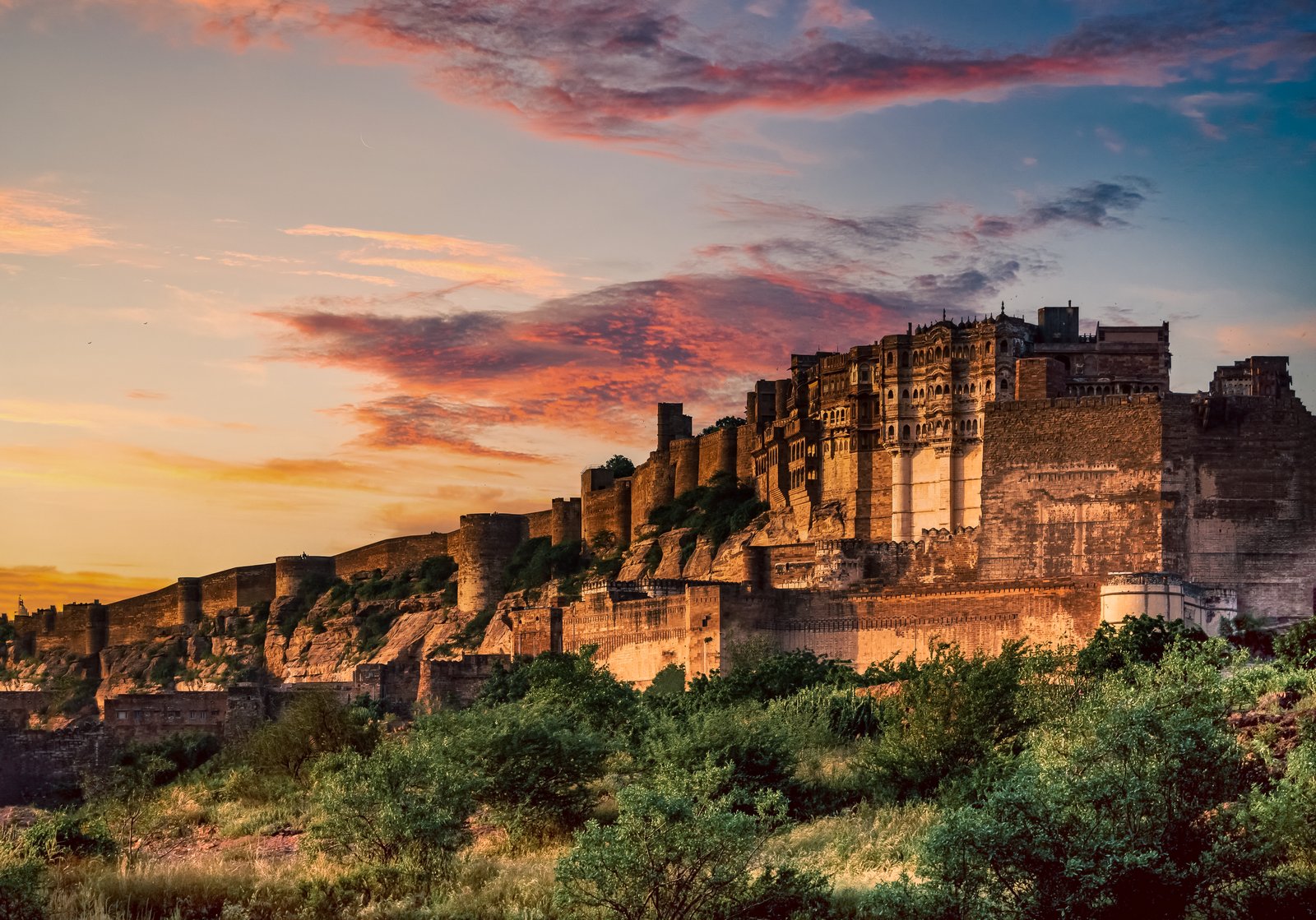
Zorawar Fort is a historic fort in Leh, Ladakh, associated with General Zorawar Singh and the Dogra expansion into Ladakh during the 19th century.
The fort was constructed in the 1830s after Zorawar Singh’s military campaigns in the region. Historical accounts place its construction around 1836, when Zorawar Singh strengthened the Dogra position around Leh.
The fort was strategically important because Leh was an important centre on historic routes connecting different parts of the Himalayan region.
Today, the fort serves as a reminder of Ladakh’s complex political and military history.
Who Was General Zorawar Singh?
To understand Zorawar Fort, it is important to know about General Zorawar Singh Kahluria.
Born in 1786 in the Kangra region, Zorawar Singh became a prominent commander serving under Raja Gulab Singh of Jammu. He became particularly famous for leading military campaigns across some of the most challenging mountainous terrain in the Himalayas.
His Ladakh campaign began in 1834. His forces entered the region through the Suru Valley and eventually advanced towards Leh. Historical accounts describe the difficult conditions faced by his army, including high-altitude terrain, severe winters and limited transportation infrastructure.
His campaigns later extended towards Baltistan and Tibet.
Because of his achievements in mountain warfare, Zorawar Singh is often remembered in Indian military history as an exceptionally capable Himalayan commander.
History of Zorawar Fort
The history of Zorawar Fort is closely connected with the political changes taking place in Ladakh during the 1830s.
After the Dogra forces established control over Leh, Zorawar Singh strengthened the military position in the region.
Following another Dogra campaign in 1836, a fort was constructed outside Leh and used as a military stronghold.
The fort helped the Dogras maintain their presence in Leh and provided a strategic defensive position.
Historical accounts also describe how the Dogra campaign resulted in an agreement under which the Ladakhi ruler agreed to pay an indemnity and annual tribute.
The fort therefore represents more than an old structure—it is connected to a period when the political landscape of the western Himalayas was undergoing major change.
Architecture of Zorawar Fort
One of the interesting aspects of Zorawar Fort is its use of locally available construction materials.
The fort’s historic structures incorporated materials such as:
-
- Stone
-
- Mud
-
- Clay
-
- Sun-dried bricks
-
- Timber
These materials were well suited to the harsh Himalayan environment.
The fort’s defensive character can still be appreciated through its walls, elevated position and overall layout.
Its architecture reflects the practical requirements of a military establishment rather than the decorative style associated with royal palaces.
Why Was Zorawar Fort Important?
The strategic location of the fort was one of its most important features.
Leh has historically been positioned along important routes across the Himalayan region. Controlling the area around Leh provided military and administrative advantages.
Zorawar Fort helped provide:
Military Protection
The fort served as a defensive position for troops stationed around Leh.
Strategic Advantage
Its position allowed forces to maintain control over an important area of the region.
Administrative Importance
The fort was associated with the Dogra administration and military presence in Ladakh.
Historical Significance
It represents an important period in the 19th-century history of Ladakh and the wider western Himalayas.
Zorawar Fort and the Ladakh Campaign
General Zorawar Singh’s first major Ladakh campaign began in 1834.
His forces entered through the Suru Valley and fought a series of battles while moving eastwards. The campaign eventually brought the Dogra forces to Leh.
The challenging geography made the campaign particularly notable. Historical research describes military operations taking place at elevations above 12,000 feet, where cold temperatures, difficult terrain and logistical challenges created major obstacles.
This history makes Zorawar Fort particularly interesting for visitors who want to understand how military forces operated in the Himalayan environment before modern roads and infrastructure.
What Can You See at Zorawar Fort?
A visit to Zorawar Fort is not simply about looking at old walls.
Travellers can explore the fort’s historic setting and learn more about:
-
- General Zorawar Singh
-
- Dogra military history
-
- Ladakh’s 19th-century political history
-
- Traditional construction techniques
-
- Himalayan warfare
-
- The strategic importance of Leh
The fort has also been associated with a museum and displays connected with the history of the Dogra rulers and military campaigns. The Indian Army restored the fort and reopened it for visitors in 2006, according to historical accounts.
Best Time to Visit Zorawar Fort
The best time to include Zorawar Fort in a Ladakh sightseeing itinerary is generally during the main Ladakh travel season.
May to September is popular for travelling around Leh and exploring major attractions.
During the warmer months, visitors can comfortably combine the fort with other Leh sightseeing locations.
However, Ladakh’s weather can change quickly, so travellers should check local conditions before planning their sightseeing.
How to Reach Zorawar Fort
Zorawar Fort is located in Leh, making it relatively easy to include in a Leh local sightseeing tour.
Travellers reaching Leh by flight can arrange a local sightseeing vehicle from their hotel.
The fort can also be included in a private sightseeing itinerary covering other attractions around Leh.
Popular places that can be combined with Zorawar Fort include:
-
- Leh Palace
-
- Shanti Stupa
-
- Leh Market
-
- Hall of Fame
-
- Magnetic Hill
-
- Gurudwara Pathar Sahib
-
- Spituk Monastery
This makes the fort a convenient addition to a Leh local sightseeing tour.
Zorawar Fort vs Leh Palace – Which Should You Visit?
Both attractions offer different experiences.
| Zorawar Fort | Leh Palace |
|---|---|
| Military history | Royal history |
| Connected with Dogra campaigns | Connected with Ladakh’s royal dynasty |
| Fortification | Palace |
| Ideal for history enthusiasts | Ideal for history and architecture lovers |
| Military architecture | Traditional Himalayan palace architecture |
If you have enough time, visiting both Zorawar Fort and Leh Palace is recommended because they provide two different perspectives on Leh’s history.
Places to Visit Near Zorawar Fort
If you are exploring Leh, you can combine Zorawar Fort with several other attractions.
Leh Palace
One of Leh’s best-known historical landmarks, Leh Palace provides spectacular views over Leh and offers insight into the region’s royal past.
Shanti Stupa
A popular landmark offering panoramic views of Leh and the surrounding mountains.
Leh Market
A great place to experience the atmosphere of central Leh and shop for souvenirs.
Hall of Fame
A military museum that provides information about the Indian Army’s history and contribution in the region.
Magnetic Hill
A popular sightseeing stop on the Leh–Srinagar route.
Why Add Zorawar Fort to Your Ladakh Itinerary?
Many travellers spend their entire Ladakh holiday visiting lakes and valleys. While these attractions are undoubtedly spectacular, adding a historical destination can make your trip more meaningful.
Zorawar Fort is especially worth considering if you:
-
- Love history
-
- Enjoy heritage tourism
-
- Are interested in military history
-
- Like photography
-
- Want to explore lesser-known Leh attractions
-
- Are travelling with family
-
- Want a different experience beyond natural attractions
It can easily be included in a Leh local sightseeing day.
Photography at Zorawar Fort
History and architecture make Zorawar Fort an interesting photography location.
You can capture:
-
- Fort walls
-
- Historic architecture
-
- Mountain landscapes
-
- Leh city views
-
- Architectural details
-
- Himalayan surroundings
For the best photography experience, early morning and late afternoon can provide attractive natural light.
Always follow local visitor rules and avoid climbing or touching protected structures.
Zorawar Fort for History Lovers
Ladakh’s history has been shaped by different kingdoms, cultures, trade routes and military campaigns.
Zorawar Fort provides a window into the 19th century, when the Himalayan region was experiencing major political changes.
For history enthusiasts, visiting the fort alongside Leh Palace, monasteries and other heritage attractions can create a much richer understanding of Ladakh.
Tips for Visiting Zorawar Fort
1. Acclimatize First
Leh is located at high altitude. Give yourself enough time to acclimatize after arriving.
2. Carry Water
Keep yourself hydrated while sightseeing.
3. Protect Yourself from the Sun
The high-altitude sun can be strong. Carry sunglasses, sunscreen and a hat.
4. Wear Comfortable Shoes
Comfortable footwear is useful when exploring historical sites.
5. Respect the Heritage Site
Avoid damaging, touching or climbing protected structures.
6. Keep Your Itinerary Flexible
Mountain weather can change quickly, so keep some flexibility in your sightseeing schedule.
Frequently Asked Questions About Zorawar Fort
Where is Zorawar Fort located?
Zorawar Fort is located in Leh, Ladakh, and can be included in a Leh local sightseeing itinerary.
Who built Zorawar Fort?
The fort is associated with General Zorawar Singh, who strengthened the Dogra military position around Leh during the 1830s. Historical sources commonly date the fort’s construction to around 1836.
Why is Zorawar Fort famous?
It is famous for its association with General Zorawar Singh and the Dogra military campaigns in Ladakh during the 19th century.
Is Zorawar Fort worth visiting?
Yes, especially if you are interested in history, heritage, military architecture and lesser-known attractions in Leh.
How can I include Zorawar Fort in my Ladakh trip?
The easiest option is to include it in a Leh local sightseeing tour, along with attractions such as Leh Palace, Shanti Stupa and the Leh Market.
How many days are required for a Ladakh trip?
A 5–6 day itinerary can cover major highlights around Leh, while 7–10 days allows a more relaxed trip covering destinations such as Nubra Valley and Pangong Lake.
Explore the Historic Side of Ladakh with Dream O Travelz
Ladakh is not only about breathtaking mountains and turquoise lakes. Its forts, palaces, monasteries and historic sites tell fascinating stories about the people and events that shaped the region.
Zorawar Fort is one such place—a historic landmark that adds depth and character to your Leh Ladakh holiday.
Whether you are planning a Ladakh tour package from Delhi, family holiday, honeymoon, private Ladakh tour or Leh Ladakh bike trip, Dream O Travelz can help you create a customized itinerary.
Plan Your Ladakh Holiday Today
Dream O Travelz Pvt. Ltd.
📞 +91-9717226967 | +91-9818866967
📧 sales@dreamotravelz.com
Office: 211, Second Floor, Vishal Chamber, Sector 18, Noida, Uttar Pradesh – 201301
Get in touch with Dream O Travelz for a customized Ladakh tour package.
