



The image shows a scenic view of a long, arched railway bridge curving gracefully through a lush green landscape. A vintage-style steam train with red carriages is traveling across the bridge, releasing a plume of white smoke. The surrounding area is covered in rolling hills and dense greenery, giving the scene a picturesque and peaceful atmosphere — it looks like a popular travel or sightseeing spot, possibly in a rural or mountainous region.
Cars come in a variety of body styles and sizes, such as sedans, SUVs, hatchbacks, coupes, convertibles, and for pickup trucks, each serving different needs and preferences.
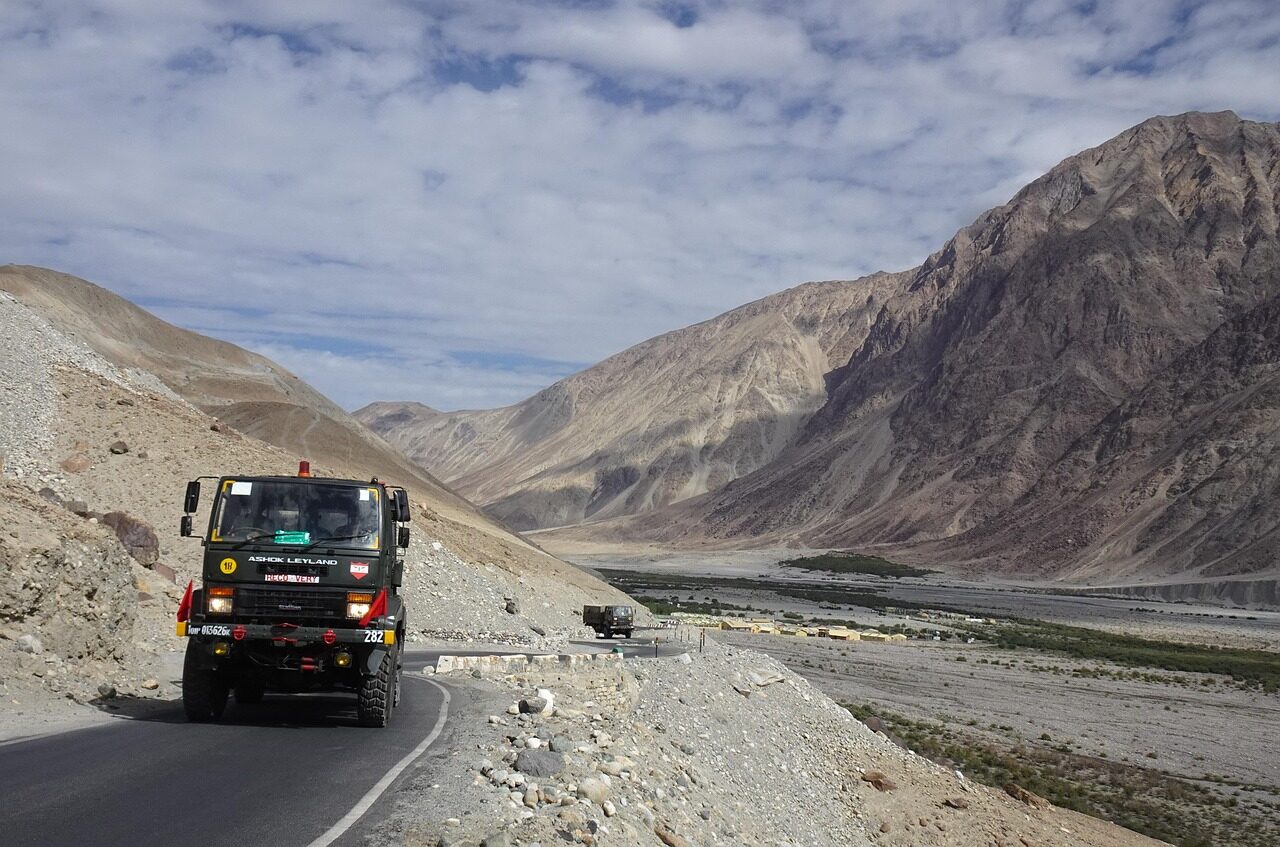
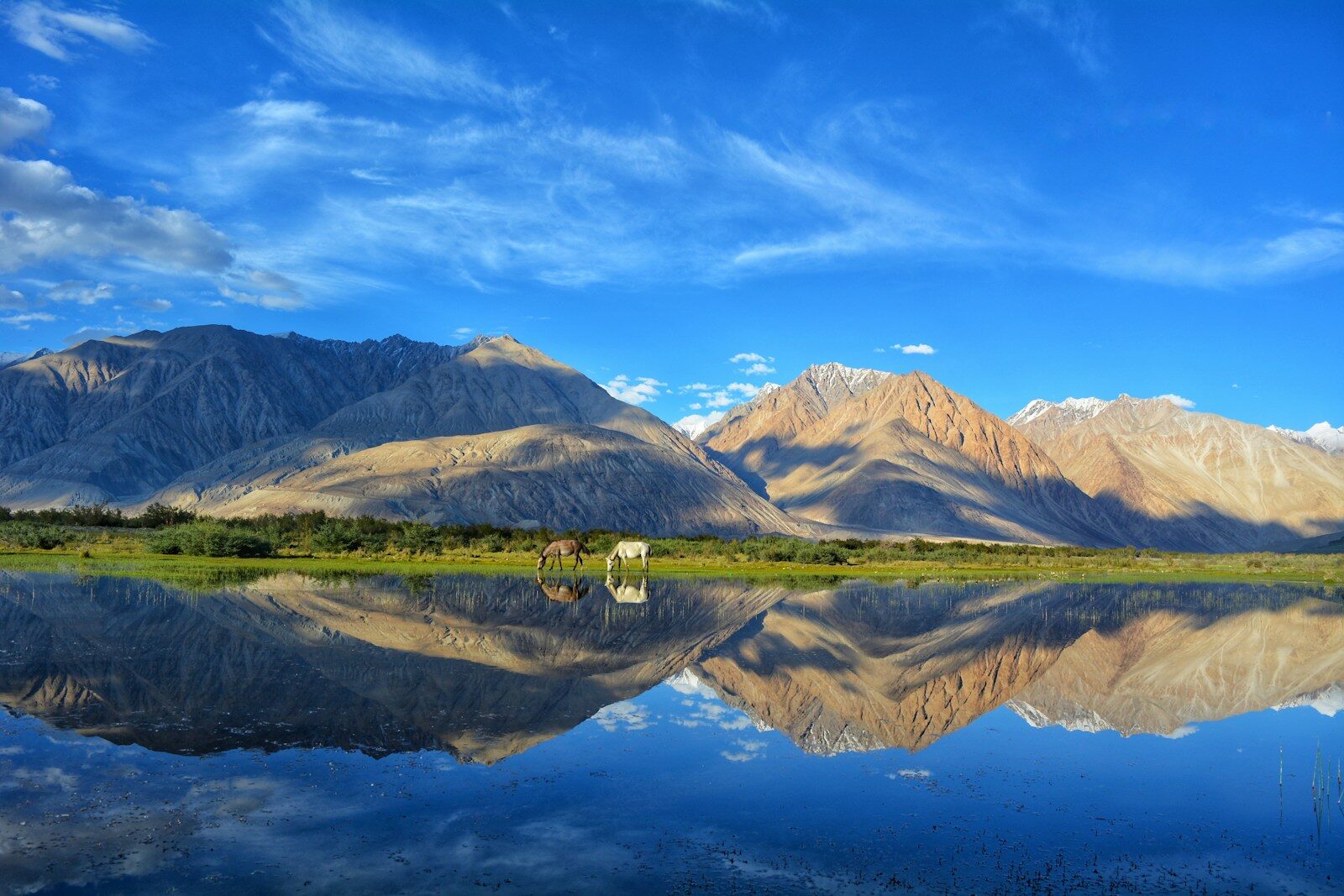
What Is a Jeep Safari in Ladakh?
A Jeep Safari in Ladakh is a road-based adventure experience in which travellers explore the region in a private or shared 4×4/SUV with an experienced local driver.
Unlike a conventional sightseeing tour, a Jeep Safari focuses on the journey as much as the destination.
You can travel through:
- High mountain passes
- Remote valleys
- Himalayan villages
- Rugged mountain roads
- River valleys
- High-altitude lakes
- Desert landscapes
- Wildlife habitats
- Ancient trade routes
For travellers who do not want to ride a motorcycle for long hours, a Jeep provides a more comfortable alternative while still delivering the thrill of a Himalayan road journey.
National Parks in Ladakh: Complete Guide to Wildlife, Snow Leopards & Protected Areas
Ladakh is famous for its spectacular mountains, high-altitude lakes, ancient monasteries and adventurous road trips. But beyond its landscapes, the region is also home to some of India’s most fascinating high-altitude wildlife.
From the elusive snow leopard to Himalayan ibex, blue sheep, wild yak and rare migratory birds, Ladakh offers exceptional opportunities for wildlife and nature enthusiasts.
For travellers planning a Ladakh tour, understanding the region’s national parks, wildlife sanctuaries and protected areas can add an entirely different dimension to the journey.
Does Ladakh Have a National Park?
Yes. Hemis National Park is the best-known national park in Ladakh and is particularly famous for its population of snow leopards.
The park is located in the eastern part of Ladakh and covers a large high-altitude Himalayan landscape.
It is one of India’s most important protected areas for high-altitude wildlife.
Hemis National Park – The Most Famous National Park in Ladakh
Hemis National Park is the primary national park to visit when talking about wildlife tourism in Ladakh.
It is located around the Hemis region of Ladakh and includes spectacular mountains, valleys and high-altitude habitats.
The park is particularly famous for:
- Snow leopard
- Himalayan ibex
- Blue sheep (bharal)
- Tibetan argali
- Himalayan marmot
- Red fox
- Golden eagle
- Lammergeier
- Other high-altitude birds
The snow leopard is undoubtedly the star attraction.
Because of its rugged terrain and high altitude, spotting one requires patience, local expertise and a great deal of luck.
Why Is Hemis National Park Famous?
Hemis National Park is best known as a habitat of the snow leopard, one of the world’s most elusive big cats.
The landscape provides suitable habitat for snow leopards and their prey species.
The park’s dramatic terrain includes:
- Deep valleys
- Rocky cliffs
- Mountain slopes
- High-altitude grasslands
- Snow-covered peaks
- Remote villages
For photographers and wildlife enthusiasts, this combination of wildlife and landscape makes Hemis an exceptional destination.
Snow Leopard in Ladakh
The snow leopard is often called the “Ghost of the Mountains” because it is extremely difficult to spot in the wild.
Its camouflage allows it to blend into the rocky Himalayan landscape.
The best opportunity to look for snow leopards generally comes during the colder months, when animals may move to lower elevations in search of prey.
However, sightings are never guaranteed.
A responsible wildlife tour should focus on observing animals without disturbing them.
Best Time for Snow Leopard Spotting in Ladakh
If your primary objective is snow leopard tracking, the winter months are generally considered the most suitable period.
Winter Snow Leopard Season
November to March is commonly associated with winter snow leopard tracking in Ladakh.
During this period, prey animals and snow leopards can move towards lower elevations, making some areas more favourable for tracking.
However, winter travel in Ladakh is challenging because of:
- Freezing temperatures
- Snow
- Limited accommodation
- Difficult roads
- High-altitude conditions
Travellers should therefore use experienced local guides and plan carefully.
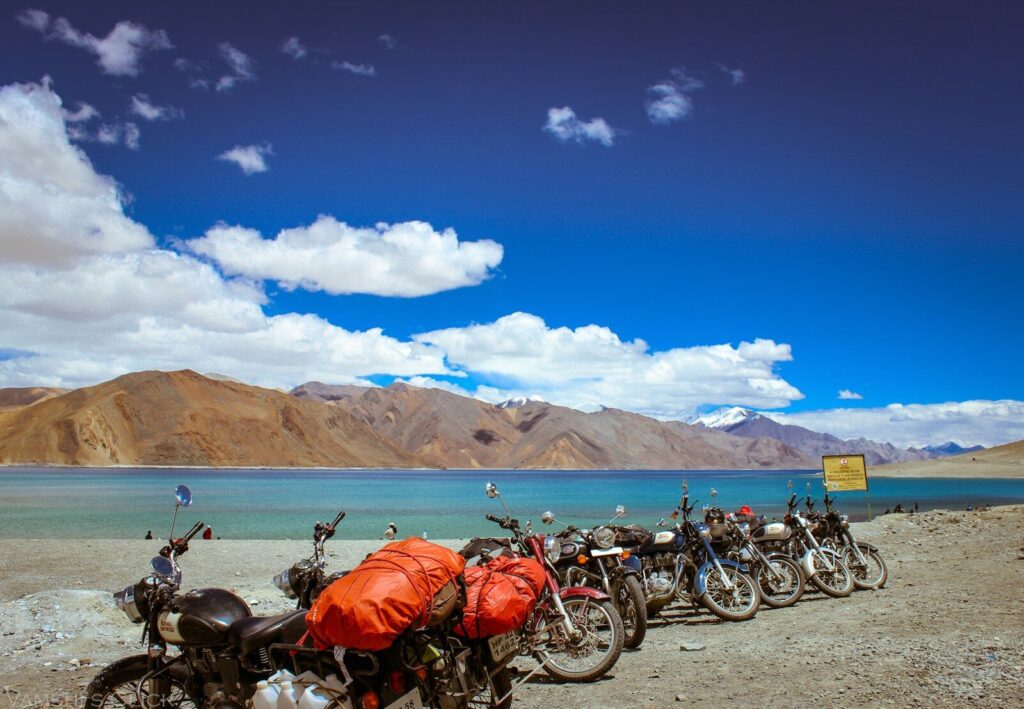
What Is a Jeep Safari in Ladakh?
A Jeep Safari in Ladakh is a road-based adventure experience in which travellers explore the region in a private or shared 4×4/SUV with an experienced local driver.
Unlike a conventional sightseeing tour, a Jeep Safari focuses on the journey as much as the destination.
You can travel through:
- High mountain passes
- Remote valleys
- Himalayan villages
- Rugged mountain roads
- River valleys
- High-altitude lakes
- Desert landscapes
- Wildlife habitats
- Ancient trade routes
For travellers who do not want to ride a motorcycle for long hours, a Jeep provides a more comfortable alternative while still delivering the thrill of a Himalayan road journey.
National Parks in Ladakh: Complete Guide to Wildlife, Snow Leopards & Protected Areas
Ladakh is famous for its spectacular mountains, high-altitude lakes, ancient monasteries and adventurous road trips. But beyond its landscapes, the region is also home to some of India’s most fascinating high-altitude wildlife.
From the elusive snow leopard to Himalayan ibex, blue sheep, wild yak and rare migratory birds, Ladakh offers exceptional opportunities for wildlife and nature enthusiasts.
For travellers planning a Ladakh tour, understanding the region’s national parks, wildlife sanctuaries and protected areas can add an entirely different dimension to the journey.
Does Ladakh Have a National Park?
Yes. Hemis National Park is the best-known national park in Ladakh and is particularly famous for its population of snow leopards.
The park is located in the eastern part of Ladakh and covers a large high-altitude Himalayan landscape.
It is one of India’s most important protected areas for high-altitude wildlife.
Hemis National Park – The Most Famous National Park in Ladakh
Hemis National Park is the primary national park to visit when talking about wildlife tourism in Ladakh.
It is located around the Hemis region of Ladakh and includes spectacular mountains, valleys and high-altitude habitats.
The park is particularly famous for:
- Snow leopard
- Himalayan ibex
- Blue sheep (bharal)
- Tibetan argali
- Himalayan marmot
- Red fox
- Golden eagle
- Lammergeier
- Other high-altitude birds
The snow leopard is undoubtedly the star attraction.
Because of its rugged terrain and high altitude, spotting one requires patience, local expertise and a great deal of luck.
Why Is Hemis National Park Famous?
Hemis National Park is best known as a habitat of the snow leopard, one of the world’s most elusive big cats.
The landscape provides suitable habitat for snow leopards and their prey species.
The park’s dramatic terrain includes:
- Deep valleys
- Rocky cliffs
- Mountain slopes
- High-altitude grasslands
- Snow-covered peaks
- Remote villages
For photographers and wildlife enthusiasts, this combination of wildlife and landscape makes Hemis an exceptional destination.
Snow Leopard in Ladakh
The snow leopard is often called the “Ghost of the Mountains” because it is extremely difficult to spot in the wild.
Its camouflage allows it to blend into the rocky Himalayan landscape.
The best opportunity to look for snow leopards generally comes during the colder months, when animals may move to lower elevations in search of prey.
However, sightings are never guaranteed.
A responsible wildlife tour should focus on observing animals without disturbing them.
Best Time for Snow Leopard Spotting in Ladakh
If your primary objective is snow leopard tracking, the winter months are generally considered the most suitable period.
Winter Snow Leopard Season
November to March is commonly associated with winter snow leopard tracking in Ladakh.
During this period, prey animals and snow leopards can move towards lower elevations, making some areas more favourable for tracking.
However, winter travel in Ladakh is challenging because of:
- Freezing temperatures
- Snow
- Limited accommodation
- Difficult roads
- High-altitude conditions
Travellers should therefore use experienced local guides and plan carefully.
Wildlife in Hemis National Park
Hemis National Park supports a variety of high-altitude species.
Snow Leopard
The most famous resident of the park.
Himalayan Ibex
A wild mountain goat adapted to steep rocky terrain.
Blue Sheep
Also known as bharal, blue sheep are an important prey species for snow leopards.
Tibetan Argali
One of the largest wild sheep species found in the Himalayan region.
Red Fox
The red fox is another predator found across the high-altitude landscape.
Himalayan Marmot
These animals can commonly be seen in suitable alpine habitats during warmer months.
Birds
The region also supports several impressive birds of prey and high-altitude species.
Other Important Protected Wildlife Areas in Ladakh
While Hemis National Park is the best-known national park, Ladakh also contains other important protected and wildlife areas.
These include:
- Changthang Wildlife Sanctuary
- Karakoram Wildlife Sanctuary
- Tso Moriri region and surrounding protected habitats
- Other conservation landscapes and community-managed areas
These destinations provide opportunities to experience Ladakh’s wildlife and fragile ecosystems.
Changthang Wildlife Sanctuary
The Changthang Wildlife Sanctuary is located in southeastern Ladakh and is known for its vast high-altitude landscapes.
The region is famous for wildlife such as:
- Tibetan wild ass (kiang)
- Black-necked crane
- Bar-headed goose
- Marmots
- Tibetan gazelle
- Other high-altitude species
The sanctuary is also associated with the spectacular lakes of the Changthang region.
Tso Moriri and Wildlife
Tso Moriri is one of Ladakh’s most beautiful high-altitude lakes.
The surrounding Changthang landscape provides habitat for several species of birds and mammals.
Wildlife enthusiasts may encounter:
- Kiang
- Marmots
- Tibetan gazelle
- Black-necked crane
- Bar-headed goose
The region is particularly interesting for birdwatchers during the appropriate migration season.
Black-Necked Crane in Ladakh
The black-necked crane is one of the most fascinating birds found in the high-altitude wetlands of Ladakh.
These birds are associated particularly with the Changthang region.
Their presence highlights the ecological importance of Ladakh’s high-altitude lakes and wetlands.
Visitors should maintain a respectful distance and avoid disturbing nesting or feeding areas.
Karakoram Wildlife Sanctuary
The Karakoram Wildlife Sanctuary lies in the northern part of Ladakh and represents another important high-altitude ecosystem.
The region’s rugged terrain provides habitat for several mountain species.
Because some parts of northern Ladakh have access restrictions and sensitive border areas, travellers should always check current permissions and travel regulations before planning a visit.
Best Wildlife Places to Visit in Ladakh
If you are interested in wildlife rather than only conventional sightseeing, consider including these destinations in your Ladakh itinerary:
| Destination | Wildlife Experience |
|---|---|
| Hemis National Park | Snow leopard, ibex, bharal |
| Rumbak Valley | Snow leopard tracking |
| Changthang | Kiang and high-altitude birds |
| Tso Moriri | Migratory birds and wildlife |
| Tso Kar | Birds, kiang and other wildlife |
| Nubra Valley | Himalayan landscapes and wildlife |
| Hanle region | High-altitude ecosystem and astronomy |
Jeep Safari and Wildlife Tourism in Ladakh
Ladakh is also developing new opportunities for guided wildlife tourism.
In 2026, the Ladakh Administration announced a guided high-altitude wildlife Jeep Safari initiative focusing on snow leopard and bird-watching trails.
The programme is intended to involve trained local drivers and guides while supporting conservation and local communities.
This creates an exciting opportunity for travellers who want to experience Ladakh’s wildlife in a more organized and responsible way.
Before booking, travellers should confirm the current operating season, designated routes and official arrangements.
National Park vs Wildlife Sanctuary in Ladakh
Travellers often use the terms interchangeably, but they are not exactly the same.
National Park
A national park is a highly protected area established primarily for conservation of wildlife and ecosystems.
Example: Hemis National Park.
Wildlife Sanctuary
A wildlife sanctuary is also a protected area designed to conserve wildlife and habitat, but regulations can differ from those of a national park.
Examples: Changthang Wildlife Sanctuary and Karakoram Wildlife Sanctuary.
Both are important for Ladakh’s biodiversity.
Best Time to Explore Ladakh’s Wildlife
The ideal time depends on the animal or experience you want.
For Snow Leopards
Winter months offer the best opportunity for organized snow leopard tracking.
For Migratory Birds
The warmer months and migration periods can provide better opportunities for birdwatching.
For General Wildlife and Landscapes
The main Ladakh travel season provides easier access to many destinations.
Always check current road conditions, weather and local access regulations before travelling.
How to Reach Hemis National Park
Hemis National Park is accessible from Leh by road.
Travellers generally use Leh as the base and travel towards the park and surrounding valleys.
For wildlife-focused trips, it is advisable to arrange:
- Experienced local guide
- Suitable vehicle
- Accommodation
- Warm clothing
- Necessary permissions
- Wildlife tracking arrangements
Remote wildlife tourism should not be treated like ordinary sightseeing.
How Many Days Are Needed for a Wildlife Trip in Ladakh?
A conventional Ladakh sightseeing holiday can be completed in around 5–7 days.
However, a dedicated wildlife trip requires more time.
Short Wildlife Experience
3–4 days
Suitable for adding wildlife activities to a regular Ladakh itinerary.
Dedicated Snow Leopard Trip
5–8 days or more
Provides more opportunities for tracking and waiting for sightings.
The longer you stay, the greater the opportunity to experience the landscape and wildlife without rushing.
Responsible Wildlife Tourism in Ladakh
Ladakh’s ecosystems are fragile.
Responsible tourism is essential.
Follow these rules:
- Maintain a safe distance from animals
- Never feed wildlife
- Do not chase animals for photographs
- Avoid loud noises
- Do not litter
- Follow designated routes
- Respect local communities
- Follow guide instructions
- Do not disturb birds or nesting areas
- Avoid illegal off-roading
Wildlife tourism should benefit both conservation and local communities.
Photography Tips for Ladakh Wildlife
Ladakh is a dream destination for wildlife photographers.
Carry:
- Telephoto lens
- Extra batteries
- Memory cards
- Warm camera protection
- Binoculars
- Tripod or monopod if practical
Avoid approaching wildlife for a better photograph.
A distant photograph of an undisturbed animal is far better than a close photograph that causes stress to wildlife.
National Parks in Ladakh for Families
Families interested in nature can include wildlife experiences in their Ladakh itinerary.
However, dedicated winter snow leopard tracking can involve:
- Very cold temperatures
- Long periods outdoors
- Walking on snow
- Waiting quietly
- High-altitude conditions
Families with young children should therefore select activities according to their comfort level.
For families, a summer Ladakh itinerary combining sightseeing and easy nature experiences may be more comfortable.
National Parks in Ladakh for Couples
Couples looking for an unusual holiday can combine wildlife with a traditional Ladakh itinerary.
A possible itinerary could include:
Leh → Hemis → Nubra Valley → Pangong Lake → Leh
For adventure-oriented couples, a longer wildlife-focused itinerary can also be arranged during the appropriate season.
Why Add Wildlife to Your Ladakh Holiday?
A typical Ladakh trip focuses on:
- Pangong Lake
- Nubra Valley
- Khardung La
- Leh Palace
- Monasteries
Adding wildlife creates another dimension to the journey.
You can experience:
Mountains + Lakes + Monasteries + Wildlife + Local Culture
This makes Ladakh particularly attractive for nature lovers and adventure travellers.
Frequently Asked Questions About National Parks in Ladakh
How many national parks are there in Ladakh?
Hemis National Park is the principal and best-known national park in Ladakh.
Which national park is famous for snow leopards?
Hemis National Park is particularly famous for snow leopard conservation and sightings.
Where can I see snow leopards in Ladakh?
Hemis National Park and surrounding areas such as the Rumbak Valley are well-known destinations for organized snow leopard tracking.
What is the best month to see snow leopards in Ladakh?
Winter is generally the preferred season for snow leopard tracking, particularly from around November to March, subject to weather and local conditions.
Can tourists visit Hemis National Park?
Yes, tourism and wildlife experiences are possible, but access, routes and activities can depend on local conditions and regulations.
What other wildlife can be seen in Ladakh?
Depending on location and season, visitors may see Himalayan ibex, bharal, kiang, marmots, Tibetan gazelle, foxes and various high-altitude birds.
Is Ladakh good for birdwatching?
Yes. The high-altitude wetlands and lakes of Ladakh support several resident and migratory bird species.
Can I do a Jeep Safari in Ladakh?
Yes. Jeep-based sightseeing is widely used for exploring Ladakh, and guided high-altitude wildlife Jeep Safari initiatives have also been introduced. Availability and designated routes should be confirmed before booking.
Explore Ladakh Beyond the Mountains
Ladakh is more than a destination for scenic road trips.
Its national parks, wildlife sanctuaries, high-altitude lakes and remote valleys support an extraordinary range of Himalayan wildlife.
From the elusive snow leopard of Hemis to the kiang and black-necked crane of Changthang, wildlife tourism offers travellers an opportunity to discover a completely different side of Ladakh.
If you are planning your next Himalayan adventure, consider adding a wildlife experience to your Ladakh tour package.
Plan Your Ladakh Wildlife Holiday with Dream O Travelz
Dream O Travelz can help you plan customized Ladakh holidays for:
- Wildlife enthusiasts
- Families
- Couples
- Honeymooners
- Adventure travellers
- Photography groups
- Private tours
- Jeep Safari travellers
Dream O Travelz Pvt. Ltd.
📞 +91-9717226967 | +91-9818866967
📧 sales@dreamotravelz.com
Office: 211, Second Floor, Vishal Chamber, Sector 18, Noida, Uttar Pradesh – 201301
